
3 Powerful Ways to Build Your Personal Brand
Build a Personal Brand That Gets You Noticed
Date: August 23, 2026 | Written by: Fathima Fida | Digital Marketing
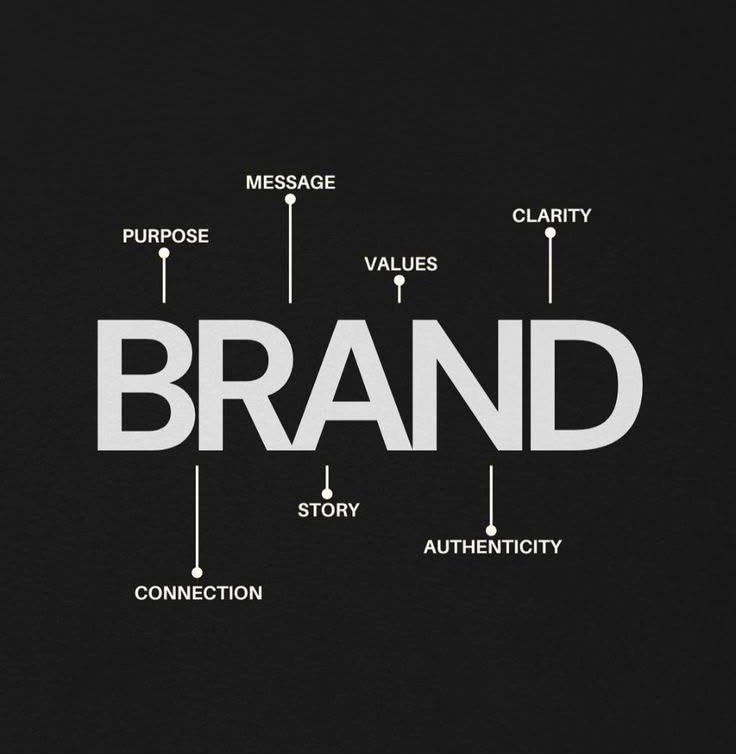
In today’s digital world, people often search online before deciding who to follow, work with, hire, or trust. Whether you are a student, freelancer, entrepreneur, digital marketer, designer, or business professional, your online presence can influence the opportunities that come your way. This is where personal branding becomes important.
A personal brand is more than a logo, profile picture, or attractive social media feed. It is the way people perceive you, your skills, your values, and the work you do. It represents what you are known for and why people should remember you. A strong personal brand can help you stand out from others, build credibility, connect with the right audience, and create new professional opportunities.
Building a personal brand does not mean pretending to be someone else. The most effective personal brands are built around authenticity. It is about understanding your strengths, communicating your value clearly, and consistently showing people what you know and what you can offer.
In this article, we will explore what personal branding is, why it matters, and how you can build a personal brand that gets you noticed.
What Is Personal Branding?
Personal branding is the process of intentionally creating and managing your professional identity. It is how you present yourself to the world and how others remember you.
Your personal brand can include many elements, such as:
- Your skills and expertise
- Your personality and communication style
- Your values and interests
- The type of work you do
- The content you share
- Your social media presence
- Your website or portfolio
- Your visual identity
- Your professional reputation
Think of your personal brand as your professional identity. When someone visits your website, LinkedIn profile, Instagram account, or portfolio, they should be able to understand who you are and what you do.
For example, if you are a digital marketer, your personal brand might focus on areas such as Google Ads, social media marketing, SEO, content marketing, or helping businesses grow online. The content you create, the projects you showcase, and the way you communicate should support that identity.
The goal is not to be known by everyone. The goal is to become recognizable and valuable to the right people.
The internet has created more opportunities than ever before, but it has also created more competition. Many people have similar qualifications, skills, and services. A strong personal brand can help you communicate what makes you different.
Personal branding gives people a reason to remember you.
When your message is clear and consistent, people begin to associate you with certain skills or areas of expertise. Over time, this can help build recognition and trust.
A strong personal brand can help you:
Stand Out From the Crowd
Many talented people have the skills needed to succeed, but not everyone communicates those skills effectively. Personal branding helps you show your strengths instead of expecting people to discover them on their own.
You do not need to claim that you are the best. Instead, focus on showing what you know, what you are learning, and how you can provide value.
Build Trust and Credibility
People are more likely to trust someone when they can consistently see their work, knowledge, and professional approach. Sharing useful content, explaining your ideas clearly, and maintaining a professional online presence can gradually build credibility.
Trust takes time. It is created through consistent actions and communication.
Create New Opportunities
A strong online presence can lead to opportunities that you may not actively search for. Someone may discover your content, visit your portfolio, or find your professional profile and decide to contact you.
Opportunities can include collaborations, freelance projects, job opportunities, clients, networking connections, or invitations to contribute to projects.
Build Meaningful Connections
Personal branding is not only about promoting yourself. It can also help you connect with people who have similar interests and goals.
By sharing useful ideas and engaging professionally with others, you can become part of a community related to your industry.
Start by Understanding Yourself
Before building your personal brand, take time to understand yourself. You cannot create a clear message if you are not sure what you want that message to communicate.
Ask yourself some important questions:
- What skills do I have?
- What am I interested in learning?
- What type of work do I enjoy?
- What problems can I help solve?
- What topics do I want to be known for?
- Who is my target audience?
- What makes my approach different?
- What are my professional goals?
You do not need to have every answer immediately. Personal branding can develop as you gain experience and learn new skills.
For example, you may begin by positioning yourself as a digital marketing learner who shares insights about social media, Google Ads, SEO, and content marketing. As your experience grows, your brand can become more specific.
The important thing is to start with clarity
Define Your Area of Focus
One of the biggest mistakes people make is trying to be known for everything. A broad message can make it difficult for others to understand what you actually do.
Having a clear area of focus can make your personal brand stronger.
This does not mean you can never learn or discuss other topics. It simply means that your main message should be easy to understand.
For example, instead of saying:
“I do everything related to marketing.”
You could communicate:
“I help businesses improve their online presence through digital marketing strategies.”
Or, if you want to focus on a specific area:
“I share practical insights about social media marketing and content strategies for growing brands online.”
A clear focus helps the right audience understand why they should follow your work.
Know Your Target Audience
Know Your Target Audience
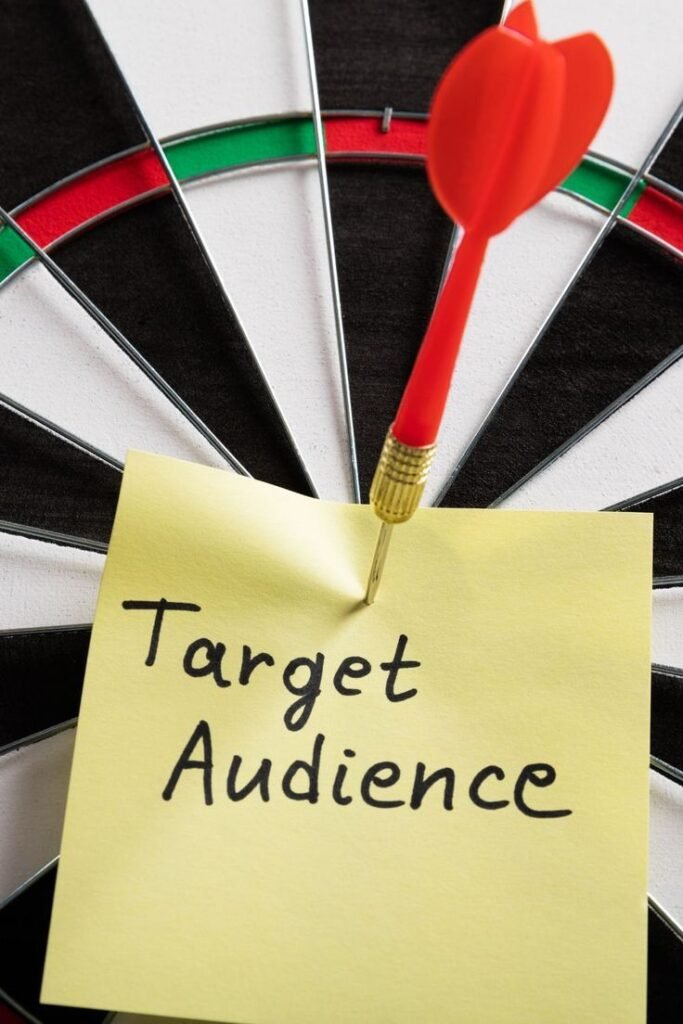
Personal branding becomes more effective when you understand who you want to connect with.
Your target audience could include:
- Business owners
- Potential clients
- Employers
- Other professionals
- Students
- Industry experts
- People interested in your area of expertise
Understanding your audience helps you create more relevant content.
For example, if your target audience is small business owners, your content could answer questions such as:
- How can social media help a small business?
- Why should businesses invest in digital marketing?
- What are the benefits of Google Ads?
- How can SEO improve website visibility?
- How can businesses create better content?
When you create content around your audience’s needs, your personal brand becomes more valuable.
Create a Clear Personal Brand Message
Your personal brand message should answer three simple questions:
Who are you?
What do you do?
How can you help or provide value?
For example:
“I am a digital marketing professional focused on helping businesses build a stronger online presence through SEO, social media marketing, content, and paid advertising.”
This message immediately gives people a basic understanding of your professional identity.
You can use a version of your message on your:
- Website homepage
- LinkedIn headline
- Social media bio
- Portfolio
- Introduction
- Professional profiles
You do not have to use exactly the same sentence everywhere, but the overall message should remain consistent.
Build a Professional Online Presence
Your online presence plays an important role in personal branding. When someone searches for your name, your profiles and content may create their first impression of you.
Choose platforms that make sense for your goals.
2-LinkedIn
LinkedIn is useful for building a professional network and sharing industry-related insights. You can use it to showcase your skills, experience, projects, and learning journey.
Keep your profile clear and professional. Use a headline that explains your area of focus and write an About section that communicates your professional story.
3-Social Media Platforms
Platforms such as Instagram can also support your personal brand, depending on your audience and content style.
You can share educational posts, tips, behind-the-scenes content, project updates, learning experiences, and industry insights.
You do not need to be active on every platform. It is better to manage a few platforms consistently than create accounts everywhere and abandon them.
1-Your Website or Portfolio
A personal website gives you control over how your work and skills are presented. It can include:
- A professional introduction
- Your services or skills
- Your portfolio
- Projects or case studies
- Testimonials when available
- Blog posts
- Contact information
Your website can act as your digital home.
Share Content That Provides Value
Content is one of the most powerful ways to build a personal brand. When you regularly share useful information, people begin to understand what you know and what you care about.
You do not need to create complicated content. Start with simple and useful ideas.
For example, you could create content about:
- Tips you have learned
- Industry updates
- Beginner guides
- Common mistakes
- Step-by-step strategies
- Personal learning experiences
- Project insights
- Useful tools
- Answers to common questions
If you are building a personal brand in digital marketing, you might write about topics such as:
- SEO basics for beginners
- How Google Ads work
- Social media marketing tips
- Content marketing ideas
- Digital marketing trends
- Website conversion strategies
The goal is to provide useful information, not simply post for the sake of posting.
Before creating content, ask:
Will this help someone learn, solve a problem, or understand something better?
If the answer is yes, it may be valuable content.
Be Consistent, Not Perfect
Many people delay building their personal brand because they want everything to be perfect. They wait for the perfect website, perfect logo, perfect content, or perfect strategy.
However, consistency is usually more valuable than perfection.
Your first post does not need to be your best post. Your first website does not need to remain your final website forever. As you gain more experience, you can improve your content and presentation.
Start with what you have and improve over time.
Consistency could mean:
- Publishing one useful post every week
- Updating your portfolio regularly
- Sharing your learning journey
- Improving your professional profiles
- Engaging with relevant industry content
- Creating content around your main topics
Choose a schedule that you can realistically maintain
Show Your Work and Your Progress
You do not need to wait until you become an expert before sharing your work. Showing your learning process can also become part of your personal brand.
For example, you can share:
- A website you designed
- A marketing project you completed
- A new skill you learned
- A campaign analysis
- A content strategy you created
- A lesson from a mistake
- An improvement you made to your work
This allows people to see your progress and understand your professional interests.
However, always focus on accuracy and honesty. Do not present yourself as an expert in something you are still learning. Instead, communicate clearly about your current level and continue developing your knowledge.
Authenticity builds more trust than exaggeration.
Develop a Consistent Visual Identity
Your personal brand does not need an expensive design, but having a consistent visual identity can make your content more recognizable.
This can include:
- A consistent profile image
- Similar fonts
- A simple colour approach
- A professional website design
- A recognizable content style
The visual identity should support your message rather than distract from it.
Keep things simple and professional. Consistency helps create a more organized and memorable experience for your audience.
Build Credibility Through Real Value
Credibility is one of the most important parts of a successful personal brand.
You can build credibility by:
- Sharing accurate information
- Continuing to learn
- Showing real work
- Being honest about your experience
- Giving credit when appropriate
- Communicating professionally
- Keeping your promises
- Providing useful content
Avoid making unrealistic claims simply to get attention. A personal brand should be built for long-term growth, and long-term credibility is more valuable than short-term attention.
Over time, people will judge your brand based on what you consistently do.
Engage With Your Community
Personal branding is not a one-way process. Do not only post content and disappear.
Take time to engage with other people in your industry. Read useful posts, share thoughtful comments, ask questions, and participate in professional conversations.
Meaningful engagement can help you:
- Learn from others
- Build relationships
- Discover new ideas
- Increase your visibility
- Become part of your professional community
Focus on genuine interactions rather than simply trying to gain followers.
A smaller audience that trusts and engages with your work can be more valuable than a large audience with no real connection.
Keep Learning and Evolving
Your personal brand should grow with you.
Industries change, skills develop, and your professional goals may evolve. Continue learning and updating your brand when necessary.
For someone working in digital marketing, this could mean learning about:
- SEO
- Google Ads
- Meta Ads
- Content marketing
- Analytics
- Social media strategy
- Consumer behaviour
- Website optimization
You do not need to master everything at once. Continuous learning can gradually strengthen your skills and your personal brand.
Share relevant lessons from your journey and use your growing knowledge to provide more value.
Common Personal Branding Mistakes to Avoid
Conclusion
Trying to Copy Everyone Else
It is useful to learn from successful people, but copying someone else’s personality or content style will not create an authentic brand.
Learn from others, but develop your own voice.
Being Inconsistent
If your message changes completely from one platform to another, people may struggle to understand what you do.
Keep your core identity clear.
Focusing Only on Followers
Follower numbers do not always represent the strength of a personal brand. Focus on trust, relevance, and meaningful connections.
Posting Without a Purpose
Every piece of content does not need to go viral. However, it should have some purpose, such as educating, informing, inspiring, or starting a conversation.
Pretending to Know Everything
No one knows everything. Be open to learning and avoid making claims you cannot support.
Giving Up Too Early
Personal branding takes time. Recognition and trust are usually built through consistent effort over months and years.
Building a personal brand that gets you noticed is not about becoming famous overnight. It is about becoming clear, consistent, valuable, and memorable to the right audience.
Start by understanding your strengths and identifying the topics you want to be known for. Create a clear message, build a professional online presence, and share content that provides genuine value. Show your work, continue learning, and communicate honestly.
Remember that your personal brand is shaped by every interaction, project, piece of content, and experience you share online.
You do not need to have everything figured out before you begin. Start with your current skills and knowledge, improve your work over time, and allow your brand to grow alongside your experience.
The most powerful personal brands are built on authenticity and consistency. When people repeatedly see valuable work, clear communication, and a genuine commitment to growth, they begin to recognize what you stand for.
That recognition can become the foundation for stronger connections, greater credibility, and new opportunities.
Your personal brand already exists in some form. The real question is whether you are actively shaping it.
Start today by defining what you want to be known for, sharing something useful, and taking one small step toward building an online presence that truly represents you.
3 Powerful Ways to Build Your Personal Brand
3 Powerful Ways to Build Your Personal Brand
Best #1 Digital Marketer in Pandikkad
3 Powerful Ways to Build Your Personal Brand
Best #1 Digital Marketer in Pandikkad
3 Powerful Ways to Build Your Personal Brand
Best #1 Digital Marketer in Pandikkad
3 Powerful Ways to Build Your Personal Brand
3 Powerful Ways to Build Your Personal Brand
3 Powerful Ways to Build Your Personal Brand
3 Powerful Ways to Build Your Personal Brand
3 Powerful Ways to Build Your Personal Brand
3 Powerful Ways to Build Your Personal Brand
3 Powerful Ways to Build Your Personal Brand
3 Powerful Ways to Build Your Personal Brand
3 Powerful Ways to Build Your Personal Brand